

The Art of Treating the Whole Child.
Frenectomy and Functional Frenuloplasty in Dallas
Watch: What is a functional frenuloplasty?
Our doctors introduce the procedure and the role of preparation and follow-up. Technique, comfort measures and recovery instructions depend on the individual plan; discuss them with your treating team.
Understanding frenectomy and functional frenuloplasty
The recommendation starts with function: how your child’s tongue moves and what is difficult in daily life. A restricted frenulum may be one part of the picture. Feeding, speech and sleep concerns can have other causes and may need assessment by another professional.
Further reading: AAPD guidance on frenulum assessment and treatment.
Bring the concerns you have noticed with feeding, eating or tongue movement. These concerns guide the assessment; they do not establish a diagnosis by themselves.
What we consider before recommending a procedure
- Your child’s age and relevant history.
- The tissue’s anatomy and how the tongue moves.
- The functional difficulty we are trying to address.
- Support, therapy or observation that may be appropriate.
- Readiness for treatment and follow-up care.
Request a Consultation
Hours

Tuesday 7:30 am – 4:00 pm
Friday By Appointment
What happens during an assessment?
We listen to your concerns and assess your child’s mouth and tongue function. Photos and imaging may be considered when they will help answer a clinical question; ask which records are recommended and why. The next step may include observation, therapy, referral or discussion of a procedure.
Which procedures does Beyond Pediatric Dentistry offer?
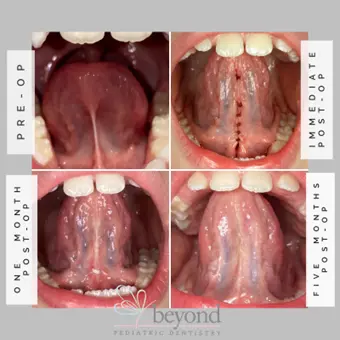
Our existing treatment options include laser release and functional frenuloplasty. A frenectomy releases or removes restrictive frenulum tissue. A frenuloplasty involves a more extensive revision of the tissue. The terms describe approaches, not a guarantee of a particular result.
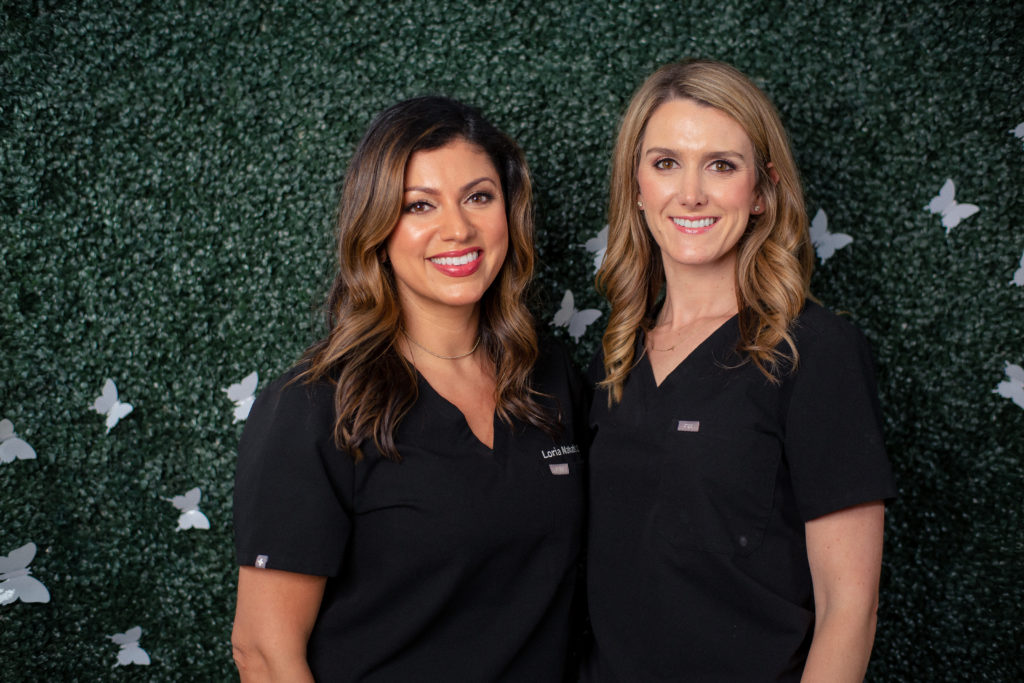
Dr. Loria considers age, anatomy, function, symptoms and preparation when recommending an approach. The consultation is the time to discuss the technique, comfort measures, risks, alternatives and follow-up that apply to your child.
Learn about infant assessment or the broader tongue-tie evaluation process.

Watch: Why tongue function is part of the assessment
This introduction explains how a tongue restriction may affect movement and why assessment goes beyond appearance. Explore the age-specific infant and older-child pathways with the team.
Who performs functional frenuloplasty?
Dr. Loria performs functional frenuloplasty procedures in our office. She completed The Breathe Institute’s Surgical Proctoring Mini-Residency Program with Dr. Soroush Zaghi. Her assessment considers age, anatomy, symptoms, tongue function and readiness for preparation and follow-up.
Learn more about Dr. Loria Nahatis and her training. Ask at your consultation why a particular technique is being recommended for your child.
Watch: Therapy before and after a procedure
An overview of myofunctional therapy and oral-function goals. For some older children, preparation and rehabilitation are part of care. Follow the specific exercises and schedule recommended for your child.
Frenectomy vs. functional frenuloplasty: questions for your consultation
- What is being treated? Ask the clinician to show the restriction and explain the functional concern.
- Why this approach? A more involved procedure is not automatically the better choice. The plan depends on the individual assessment.
- What preparation is needed? For some older children, myofunctional therapy helps them learn tongue movement and control before a procedure.
- How will we review progress? Discuss healing, function and any recommended therapy or follow-up. Surgery is one part of the care plan.
Meet Dr. Loria Nahatis and bring your questions to a consultation.