

The Art of Treating the Whole Child.
Myofunctional Therapy for Children in Dallas
What is Orofacial Myofunctional Therapy?
At Beyond Pediatric Dentistry in Dallas, an assessment helps put oral habits and tongue movement in context. Orofacial myofunctional therapy uses guided exercises to work on the muscles and movement patterns of the tongue, lips and cheeks. Goals may include tongue resting posture, lip closure and swallowing patterns. An assessment helps determine which goals are relevant and whether your child is ready to participate.
Orofacial Myofunctional Disorders
Orofacial myofunctional disorders involve oral muscle function and movement patterns. A concern such as tongue thrust or low tongue posture may prompt an evaluation. Similar symptoms can have different causes, so therapy is not a substitute for dental or medical diagnosis.
Symptoms of OMDs Include:
- Tongue thrust during swallowing.
- Difficulty maintaining a comfortable tongue resting position or lip closure.
- Persistent thumb or finger sucking.
- Oral habits that need assessment alongside dental or orthodontic care.
Speech, nasal breathing or sleep concerns may also require evaluation by the appropriate professional.
Myofunctional Therapy Goals:
- Practice the tongue resting position recommended for your child.
- Build awareness and control of lip and tongue movements.
- Work on individually selected chewing or swallowing goals.
- Support changes to persistent oral habits.
Request a Consultation
Hours

Tuesday 7:30 am – 4:00 pm
Friday By Appointment
Watch: What is orofacial myofunctional therapy?
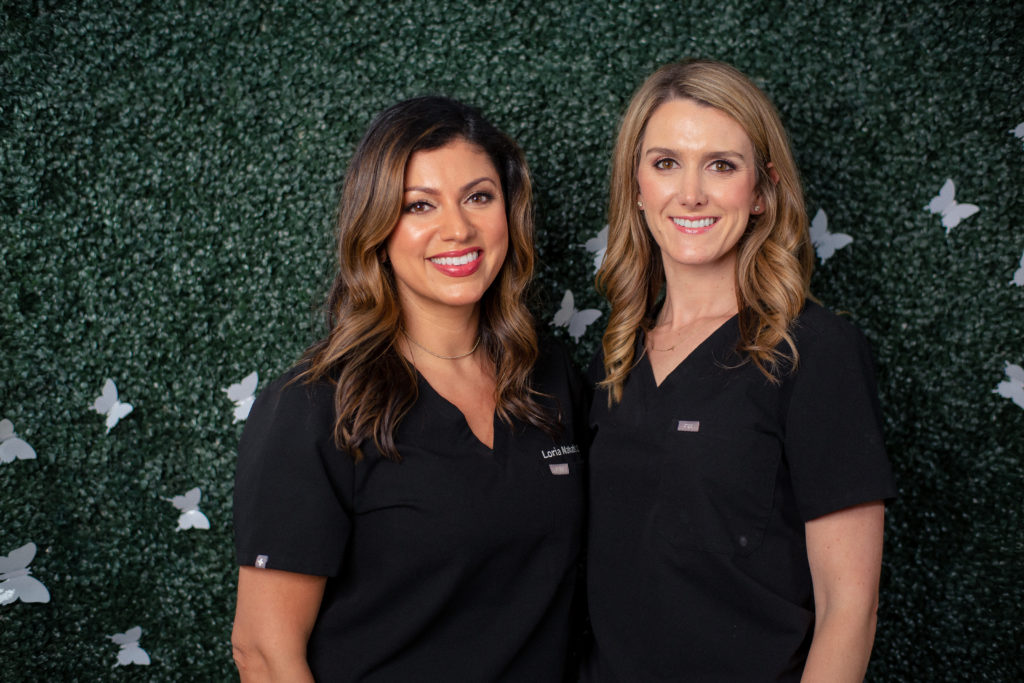
Our doctors introduce tongue exercises, oral habits and movement awareness. Your therapist should explain the goals and activities appropriate for your child; use their instructions for home practice.
Watch: One family’s Myobrace experience
This existing family story describes an appliance-based treatment journey and daily participation. Myobrace and myofunctional therapy have different roles. The story does not establish a therapy recommendation or predict another child’s results.
Myomunchee
A device should serve an individual goal
Exercises and devices should be selected for a specific goal. A device is not a replacement for an assessment or for regular brushing and dental care.
Myomunchee is a chewing device that may be incorporated into a therapy program. Ask whether it is appropriate for your child, how it would be used and what the clinician would monitor.

Watch: An individual Myomunchee experience
This existing patient story describes one experience with a chewing device. It is not a substitute for assessment or a prediction of results. Ask whether a device belongs in your child’s program.
Before adding a device to home practice, clarify:
- The individual goal for using it.
- The recommended fit, supervision and instructions.
- How to clean and care for it.
- When to stop and contact the treating professional.
Myofunctional therapy and tongue-tie treatment


For some older children, Dr. Loria recommends preparation with a myofunctional therapist or another appropriate therapist before a tongue-tie procedure. Learning tongue movement and control beforehand helps the child understand how to use a greater range of motion. Follow-up care addresses healing and practice; the procedure is one part of the plan.
Read about frenectomy and functional frenuloplasty to understand preparation and follow-up. For appliance questions, compare Myobrace and palatal expansion; each has a different role.
Starting myofunctional therapy in Dallas
Tell our team about the oral habit, tongue-movement concern or provider recommendation that brought you in. Bring relevant dental, orthodontic or therapy recommendations. The next step is to clarify the concern, whether therapy fits, and who should provide it.
Before scheduling a program, confirm the treating professional, current availability, visit format, fees and how progress will be reviewed. Recommendations may include coordination with another clinician.
Home practice and your child’s readiness
Exercises require participation. Ask for a plan your child understands, guidance on parent support and a way to raise questions between visits. Age alone does not describe a child’s readiness.
Therapy, Myobrace and other dental care
Therapy focuses on movement and habits. Myobrace uses removable appliances with a practice program; it is a separate treatment decision. A growth and development evaluation can help put dental and habit concerns in context.
Read our parent guide to myofunctional therapy for kids for questions about assessment and home practice.
For practical planning, review insurance information and ask the office about the proposed visits and fees.